By Ivan Hadzhiev·
Conference Swag Ideas That Attendees Actually Keep
Conference swag ideas that survive past the first day. What gets kept, what gets abandoned, and how to make sure your brand travels home with attendees.
The conference swag ideas that attendees actually keep share three traits: utility (the item solves a real problem), quality (it holds up past the first use), and portability (it fits in a carry-on without effort). The items that consistently clear all three: heavyweight tees in considered colorways, structured tote bags, and well-made caps with restrained branding.
Most conference swag ends up in a hotel room trash can or in the bottom of a bag that gets emptied at baggage claim. The branded stress ball, the cheap pen, the thin lanyard. These items represent real spend with almost no retention. Here's what clears the bar instead.
What makes conference swag worth keeping
Retention comes down to three factors: utility, quality, and portability.
Utility means the item solves a real problem or fills a real need. A bag someone can use to carry their conference haul is useful. A branded fidget spinner is not.
Quality means the item holds up past the first use. Stitching that holds, fabric that doesn't pill after one wash, hardware that doesn't break on the flight home. Low-quality items signal to the recipient that the brand behind them cut corners.
Portability means the item fits in a carry-on without deliberate effort. A heavy mug, a bulky notebook, or anything fragile creates friction. The best conference swag is easy to take home.
Tees
A well-made tee is the highest-retention item at a conference when it's done right. The distinction is in the blank. A standard promotional tee in a generic color with a logo plastered across the front gets worn once. A heavyweight tee in a considered colorway, with a logo treatment that looks like it belongs on the shirt rather than being applied to it, gets worn regularly.
The specs that matter: weight (aim for 5.5 oz and up), fit (not boxy), and color (something people would buy on their own). A good conference tee competes with what's already in someone's wardrobe. A cheap one doesn't.
Browse the tees collection for options that clear these standards.
Tote bags
A tote bag is the workhorse of conference swag. It solves an immediate problem at the event (carrying materials, a laptop, purchases) and travels home naturally because attendees fill it with things they need.
The variables that determine whether a tote comes home versus stays at the venue: handle length (shoulder-carry is preferred for all-day use), base structure (a bag that collapses under weight stops being used), and size (large enough for a laptop, not so large it feels empty when carrying a small load).
Browse the bags collection for structured tote options.
Hats
Hats are compact, don't wrinkle, and get worn outside conferences. A well-made cap in a colorway that works with regular clothing will be worn for years. The key is avoiding colors or logo placements that make the hat look like a giveaway item. A logo embroidered in tonal or tone-adjacent thread on a clean cap looks like something someone bought. A full-color screen print screams "free."
Browse the hats collection for cap styles that travel well.
What doesn't make the cut
Cheap branded drinkware. Plastic water bottles and cheap stainless tumblers are heavy, often leak, and carry the wrong quality signal. If you want to include a drinkware item, invest in something that genuinely competes with what people already own.
Pens, notepads, and desk accessories. These stay at the conference table or in the hotel room. They don't travel with attendees, which means they don't carry your brand anywhere useful.
Lanyards. Everyone at the conference gets a lanyard. It gets worn for the event and removed immediately after. The only functional lanyard is one someone actively chooses to keep using after the conference, which requires it to be noticeably better than the conference-provided alternative.
Anything fragile or heavy. People flying to conferences have a finite amount of bag space. Anything that requires deliberate packing or special handling will stay behind.
Sizing and logistics for conference orders
Conference orders have hard deadlines. The decoration, QC, and shipping need to land before the event. Build in more lead time than you think you need.
For screen printed apparel: 3 to 4 weeks minimum. For embroidered items: 4 to 5 weeks. Rush services exist but add cost and carry risk.
On sizing: if you don't know who's attending, order a bell curve distribution weighted toward medium and large (most startup teams skew this way). For events where you have registration data, use it. Nothing wastes conference budget like 200 smalls for a team that wears mostly larges.
Putting it together
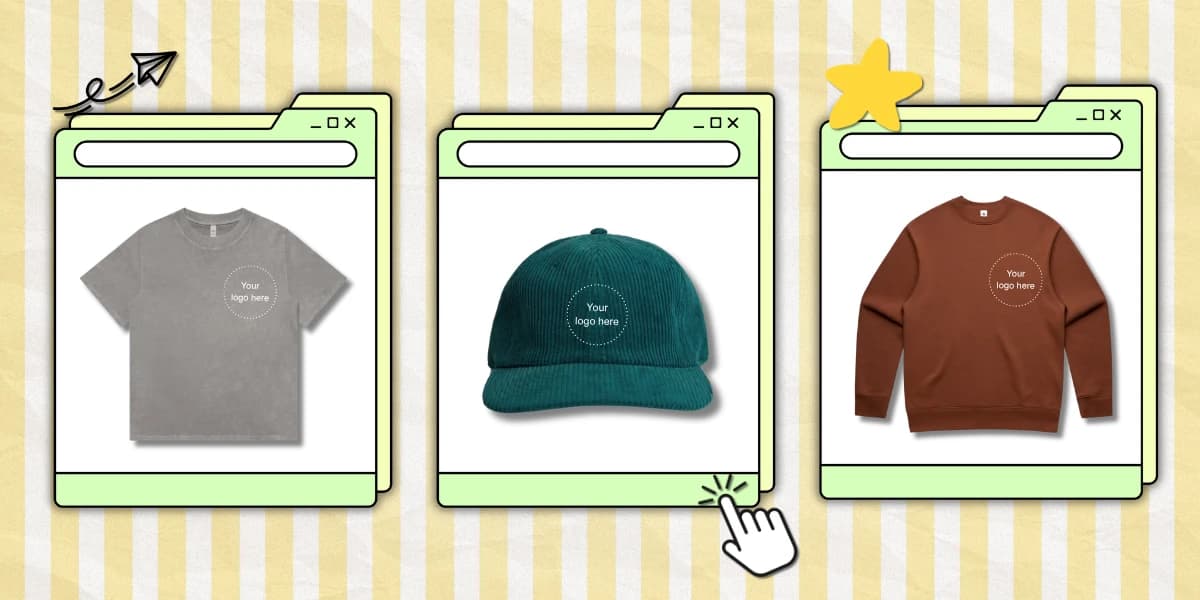
The most effective conference swag setup is two to three items: a tee, a bag, and either a hat or a secondary item. This covers utility (the bag), visibility (the hat), and retention (the tee). Each item serves a different purpose and reaches a different part of the attendee's life after the event.
The goal is to make sure your brand travels home. Everything else is secondary.
If you're planning a specific event and want help with product selection, lead times, and logistics, see how Merchpath handles conference and event merch end-to-end.
Ready to shop it instead? Browse conference giveaways curated from the live catalog, with starting prices on every item.